Why Easter Island Feels Like a Once-in-a-Lifetime Destination
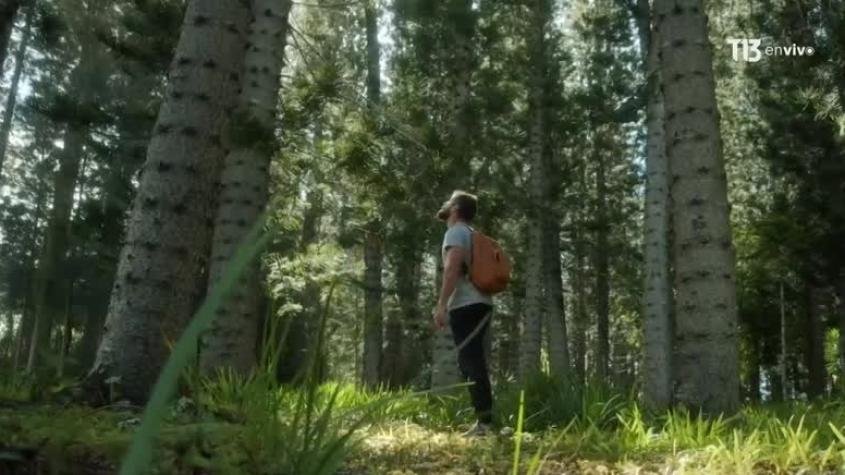
Easter Island, or Rapa Nui, is not just a place you visit—it’s a place you feel. There’s a kind of silence here that’s different. Not empty, but powerful.
Many travelers describe it as a place full of energy. And honestly, that’s the best way to explain it. The moment you arrive, you realize this is not a typical destination—it’s something deeper.
I remember reading that some people compare the feeling of standing in front of the moai to visiting the pyramids of Egypt. And it’s true. There’s something overwhelming about them. They don’t just impress you… they stay with you.
How to Get to Easter Island (Flights from Chile)
Getting to Easter Island is part of the adventure. There are no shortcuts.
The only way to reach the island is by plane, typically from Santiago de Chile. Flights are limited and tend to be expensive due to the island’s extreme isolation.
👉 Find the best flights to Easter Island
Because of this, planning ahead is essential. Most travelers book their flights weeks—or even months—in advance.
Do You Need a Guide to Visit Easter Island? (Important Rules)
Yes—and this is something many people don’t realize until they arrive.
Most archaeological sites require you to enter with a certified guide. This is not just a recommendation—it’s a rule designed to protect the island’s heritage.
👉 Explore guided tours in Easter Island
Travelers often say that having a guide transforms the experience. You don’t just see the moai—you understand them.
👉 Book a trusted local experience
Best Things to Do in Easter Island (Moai & Sacred Sites)
There are places on this island that you simply cannot skip.
Ahu Tongariki (Sunrise Experience)
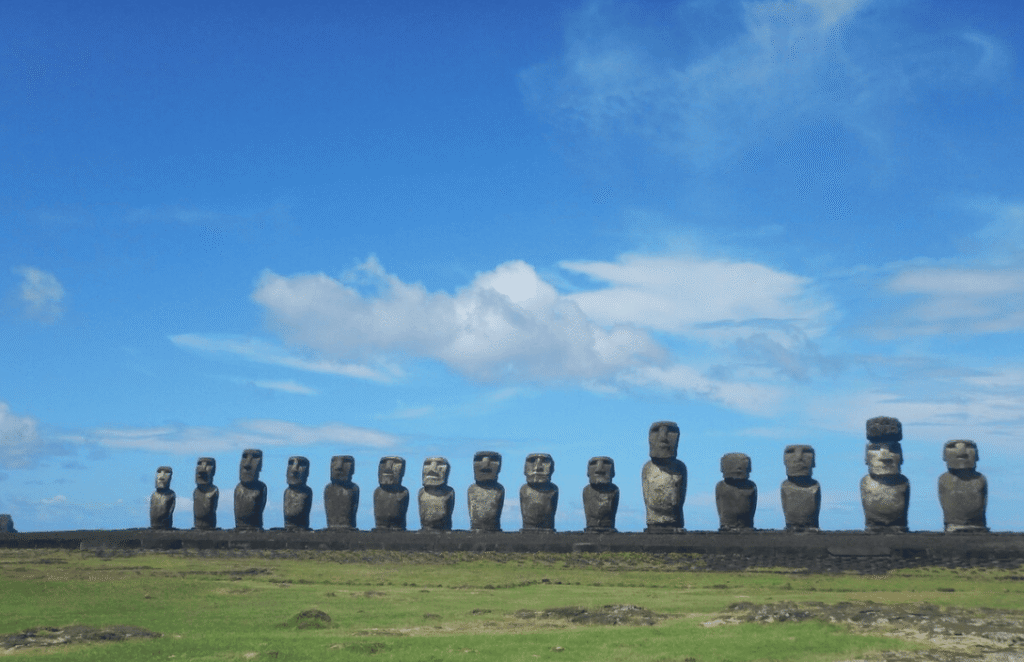
This is the most iconic site on the island: 15 moai aligned facing inland, silent and imposing.
Seeing the sunrise here is something travelers describe as “impossible to forget.” As the first light hits the statues, the entire place feels alive.
It’s quiet. Emotional. Almost surreal.
Anakena Beach (The Unexpected Paradise)
Then there’s Anakena—a white sand beach surrounded by palm trees and moai.
It feels almost unreal to find a tropical beach in such a remote and wild place. The contrast between the ocean, the sand, and the statues creates one of the most unique landscapes in Chile.
Rano Kau & Orongo (The Birdman Culture)
Rano Kau is a massive volcanic crater filled with water and vegetation.
Right next to it, Orongo tells the story of the ancient Birdman competition (Tangata Manu), one of the most fascinating cultural traditions of the island.
Standing here, overlooking the ocean and the small islets offshore, you understand how important this place once was.
Ahu Akivi (Moai Facing the Ocean)
Unlike most moai, which face inland, the statues at Ahu Akivi look toward the ocean.
This creates a completely different feeling—more open, more connected to the horizon.
Te Ra’ai Show (Cultural Experience)
If you want to understand Rapa Nui beyond the landscapes, attending a traditional show like Te Ra’ai is a great experience.
It combines storytelling, dance, and local traditions in a way that helps you connect with the island’s identity.
Easter Island Entrance Fee & Total Travel Cost
Visiting Easter Island is not cheap—but almost everyone agrees it’s worth it.
Costs typically include:
- Flights (the biggest expense)
- Park entrance ticket
- Accommodation
- Guided tours
Because of the island’s isolation, everything is more expensive than mainland Chile.
Planning ahead is key if you want to manage your budget.
Where to Stay in Easter Island (Best Hotels & Areas)
Most travelers stay in Hanga Roa, the island’s main town.
👉 Book a trusted local experience
This is where you’ll find restaurants, tour operators, and transportation options.
👉 Find accommodation deals here
Booking in advance is highly recommended, especially during peak season.
Best Time to Visit Easter Island (Weather & Wind)
Easter Island can be visited year-round, but conditions change significantly.
- Summer: warmer, more visitors
- Shoulder seasons: best balance
- Winter: windier and quieter
Wind is one of the most important factors to consider. It can affect tours and overall experience.
How Many Days Do You Need in Easter Island?
Most travelers recommend 3 to 5 days.
This allows enough time to visit the main sites, take guided tours, and experience the island at a slower pace.
Travel Tips (What No One Tells You)
Easter Island is remote and requires preparation.
- Respect all park rules
- Follow your guide’s instructions
- Book everything in advance
This is not a destination you visit casually—it’s one you prepare for.
Is Easter Island Worth It? (Honest Take)
Short answer: yes—but it’s not for everyone.
Easter Island is expensive, remote, and requires planning. You won’t find luxury infrastructure everywhere, and the weather can change quickly. But that’s exactly what makes it special.
What you get in return is something rare: a place that still feels untouched. Standing in front of the moai—especially at sunrise in Tongariki—doesn’t feel like ticking a box on a list. It feels personal.
Many travelers say the emotion here is comparable to visiting world icons like the pyramids, but with far fewer crowds and a much deeper sense of connection.
If you’re looking for nightlife or an easy trip, this might not be it. But if you want a destination that stays with you long after you leave, Easter Island delivers.
👉 Tip: plan at least 3–5 days, book your key services in advance, and stay flexible with your itinerary.
FAQs About Visiting Easter Island
Is Easter Island worth visiting? Yes—one of the most unique places on Earth
Is it expensive? Yes, but worth it
Do you need a guide? Yes, for most sites
Best time to go? Spring or fall for balance